Published by Vince Baker Ministries · · Scripture references link to the KJV
Where does Ephesians begin?
Ephesians 1:3–14 is a sustained expression of praise for what God has done in Christ. Paul speaks about adoption, redemption through Christ’s blood, forgiveness, God’s purpose, and the Holy Spirit. Read the paragraph before narrowing the study to one benefit. The inheritance belongs within the larger story of being brought into Christ and directed toward God’s praise.
Why does Paul call the Spirit an earnest?
The KJV uses earnest in Ephesians 1:14 for the Spirit’s relationship to the inheritance still to be fully received. The language gives believers confidence in God’s faithfulness as they look forward to redemption. The same passage also speaks about hearing the word of truth, believing, and being sealed with the promised Spirit.
What does Romans say about being heirs?
Romans 8:14–25 places heirship beside the Spirit’s witness, adoption, suffering with Christ, and future glory. Paul also describes creation groaning and believers waiting for the redemption of the body. These connections help us read inheritance with both gratitude for present grace and hope for what God will complete.
Let belonging shape your response
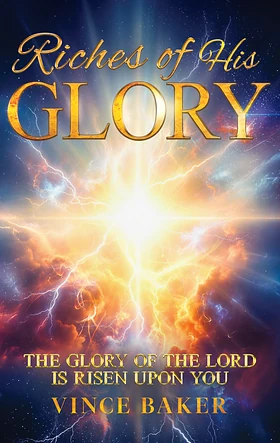
Read Galatians 3:26–29 and notice how Paul connects belonging to Christ with Abraham’s seed and heirs according to promise. Write down what each passage says you have received and what it teaches you to await. Then ask how gratitude and hope could shape one responsibility this week. Riches of His Glory provides further study of God’s glory and grace in believers, while the Scripture passages supply the foundation for understanding inheritance.
Read the Scripture passages
- Ephesians 1:3-14 · KJV
- Romans 8:14-25 · KJV
- Galatians 3:26-29 · KJV