Published by Vince Baker Ministries ·
An English Bible copied by hand
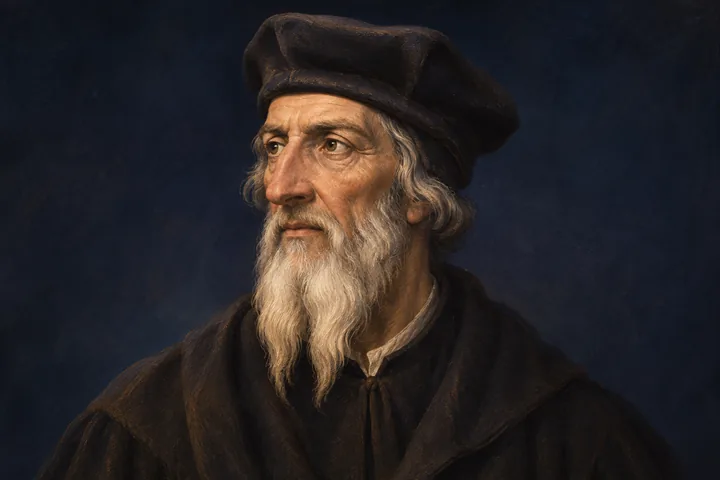
Imagine opening a Bible that had to be copied by hand before another household could read it. Wycliffe’s England had no printing press. What moved from hand to hand was a manuscript, and the labor of making one shaped who could get hold of it. The British Library holds copies of the translation associated with Wycliffe’s circle. Its catalog identifies the translators as Wycliffe’s followers, so the familiar title Wycliffe Bible is a useful name for a collective achievement.
The translators worked from the Latin Vulgate. Centuries later, English translators would work directly from Greek and Hebrew and send books to press. Wycliffe’s circle faced a different question. Could English readers encounter a whole Bible in a language they used? The manuscripts are evidence that people invested time and labor in making that possible.
What made his work controversial?
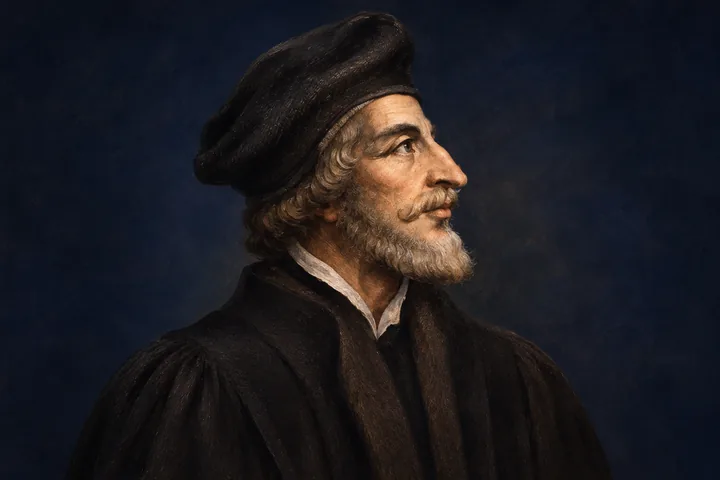
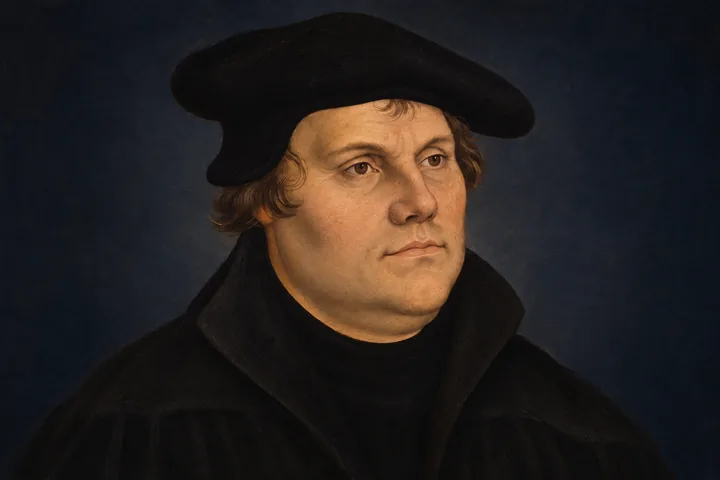
Wycliffe questioned aspects of church authority and medieval teaching. Those disputes help explain why the work of his circle drew scrutiny. They also explain why Jan Hus could later take up some of his ideas in a setting very different from Oxford. Translation was part of the story, alongside arguments about how a church and its ministers should answer to Scripture.
What does it take to help someone understand Scripture?
Nehemiah 8:8 (KJV) describes public reading with explanation so the people could understand. Romans 10:14–17 connects hearing the message to faith in Christ. Read both passages and choose a short text you can explain to someone in ordinary language. Ask what they heard before filling in what they missed. That is one way to carry the concern for accessible Scripture into a conversation this week.
Scripture to read alongside the history
- Nehemiah 8:1-8 · KJV
- Romans 10:14-17 · KJV