Published by Vince Baker Ministries · · Updated
How did Charles Grandison Finney call people to respond to the Gospel?
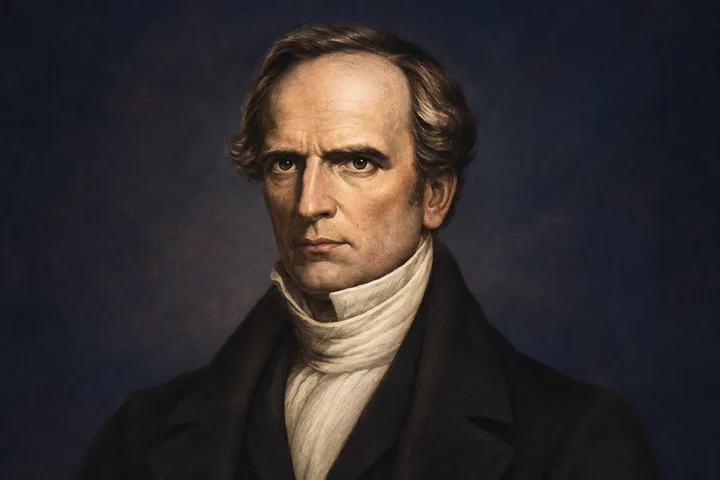
Charles Grandison Finney urged hearers to respond promptly to the Gospel through repentance and faith. The Rochester meetings of 1830–31 and his later revival lectures show how public preaching and deliberate follow-up fit into his ministry.
- Finney pressed listeners to reckon with what they had heard. His approach gives readers a specific question to study in Acts 2:37–42, where the hearers ask what they should do.
- His revival lectures describe the place of prayer, preaching, and the hearer’s response. Read the lectures as Finney’s own account of his approach.
- First Corinthians 3:5–9 places ministry labor alongside dependence on God, who gives the increase. Read it before drawing a conclusion about any particular revival practice.
Why did Finney ask for an immediate response?
A sermon can raise a question that people prefer to put off. Finney was known for pressing listeners to respond to what they had heard. Rochester’s 1830–31 meetings became one of the better-known episodes of his revival work. Accounts preserved by libraries and church archives describe an organized effort sustained through preaching and gatherings over time.
Finney’s approach provoked disagreement about the role of deliberate methods in revival. A method can make a next step easier to see. The harder question is how to invite a response while leaving people free to consider what they believe. That remains a practical concern wherever a preacher asks people to pray or come forward.
How did his work move into education?
Finney joined Oberlin in 1835 and later served as its president. Oberlin’s archives preserve correspondence and papers about his revival ministry and institutional responsibilities. His career gives readers two settings in which to consider the same issue. A series of meetings can call for a decision. A school must also consider how people learn and grow over years.
What is the difference between inviting and pressuring?
In Acts 2:37–42 (KJV), Peter tells listeners how to respond to the Gospel, and Luke follows the people who received it into a continuing life of teaching and prayer. In 1 Corinthians 3:5–9, Paul distinguishes human labor from the growth God gives. If you lead a group, give people one clear next step and a way to follow it at their own pace. Make space to answer questions after the meeting.
Scripture to read alongside the history
- Acts 2:37-42 · KJV
- 1 Corinthians 3:5-9 · KJV