Published by Vince Baker Ministries ·
How did Geneva become part of Calvin’s story?
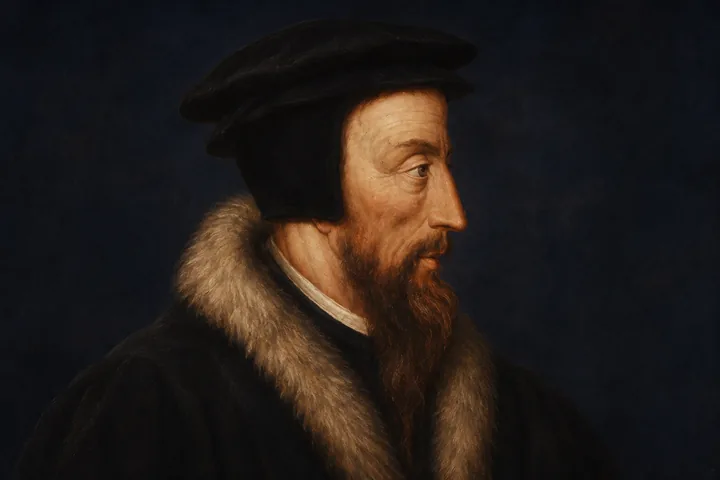
What happens when a book about Christian belief has to be put into practice in a real city? Calvin published the first edition of the Institutes in Basel in 1536. Guillaume Farel urged him to stay in Geneva. Calvin returned in 1541 after a period away, and his subsequent work there included preaching, teaching, and church organization. The University of Chicago Library’s exhibition follows those stages and connects them to printed works from the period.
Geneva also received religious refugees from elsewhere in Europe. John Knox was among those who spent time there. A local setting became part of a wider conversation as visitors and exiles carried books, practices, and disagreements across borders.
What are the Institutes?
The Institutes gives a sustained account of Christian doctrine and practice. Calvin revised it over time. The book is one route into his thought, alongside his Biblical commentaries, preaching, and correspondence. Readers often encounter his name through debates about predestination. Starting with the wider body of work helps show what else occupied him, including how a congregation learns to read and live by Scripture.
What should teaching produce in a church?
Ephesians 4:11–16 (KJV) describes gifts given so believers grow toward maturity together. Second Timothy 3:14–17 connects Scripture with teaching, correction, and readiness for good work. Use those passages to evaluate a lesson you have heard recently. Ask whether you can name what the text taught you, how it corrected you, and what you can put into practice.
Scripture to read alongside the history
- Ephesians 4:11-16 · KJV
- 2 Timothy 3:14-17 · KJV