Published by Vince Baker Ministries ·
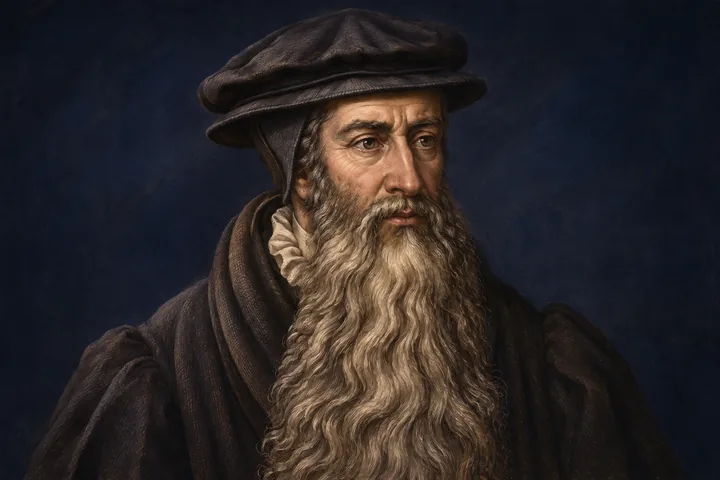
What did Knox bring home from exile?
Exile forced Knox to learn what church life looks like when familiar institutions are far away. In Geneva he ministered among English-speaking refugees. He returned to a Scotland where political conflict and religious change were already under way. His influence came through preaching and participation in a larger movement.
The Scots Confession gives readers a document they can examine. Produced in 1560, it sets out what the emerging Reformed church professed. Several ministers took part in the work. The document helps us see the Scottish Reformation as more than the story of one forceful preacher.
Why does a confession matter?
When a community writes down what it believes, its teaching becomes easier to read and question. Read an early chapter of the Scots Confession and note how it grounds its claims. Then distinguish the confession from the Bible passages it cites. Readers can learn from a historical statement and still take responsibility for examining the text themselves.
How should spiritual leaders use authority?
In Acts 20:27–32 (KJV), Paul speaks to elders about teaching and watchfulness. First Peter 5:1–4 asks elders to serve willingly and lead by example. Put those passages alongside the story of a church taking a new institutional shape. Ask what makes leadership trustworthy in your own congregation and what example you can set in the responsibilities you already have.
Scripture to read alongside the history
- Acts 20:27-32 · KJV
- 1 Peter 5:1-4 · KJV