Published by Vince Baker Ministries ·
The difference a printed page could make
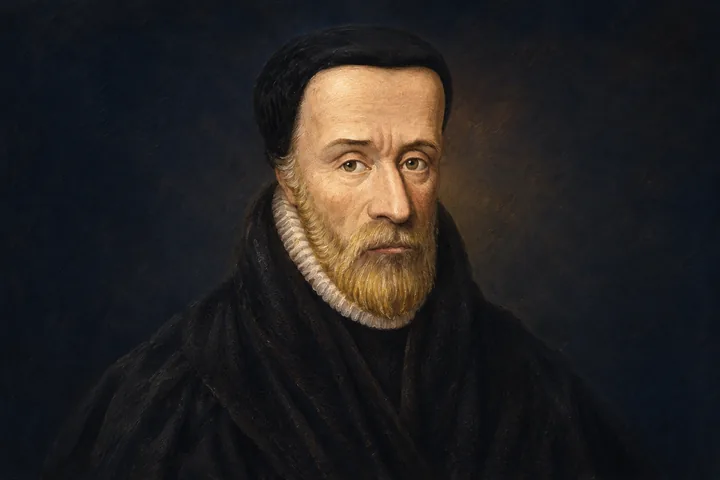
One handwritten copy can reach the people who pass it around. A printed edition can reach readers the translator will never meet. Tyndale left England in 1524 and carried his work to continental Europe. The surviving 1526 New Testament puts the outcome of that decision in front of us. English readers could hold a printed translation made directly from Greek.
That step also involved choices about language. The sound and rhythm of a sentence matter when it is read aloud, especially when listeners have no copy of their own. Tyndale’s wording passed into later translations through a long history of revision. The Cambridge University Library’s King James Bible exhibition puts his work alongside the editions that followed.
What did the work cost?
Tyndale was executed in 1536. The book outlived him. It helps to hold both facts together. Publication expanded the reach of his work, while opposition made it dangerous to carry out. The later influence of his translation can make it easy to forget how uncertain the work looked before it reached readers.
How can we hear the Word together today?
Romans 10:14–17 (KJV) connects faith and hearing the message about Christ. Colossians 3:16 invites believers to let Christ’s word dwell richly among them through teaching and song. Read one paragraph aloud with a friend. Ask each other what the sentence means before moving to the next one. Consider how much more of the Bible might stay with us if we heard it together.
Scripture to read alongside the history
- Romans 10:14-17 · KJV
- Colossians 3:16-17 · KJV